
Diagnosing Low Well Water Pressure
Solving Water Pressure Loss Across Southeastern MA
For homeowners relying on a private groundwater extraction system across Southeastern Massachusetts and Cape Cod, robust and consistent water pressure is a fundamental expectation for daily life. When that pressure begins to falter, it disrupts everything from morning showers and laundry cycles to complex landscape irrigation systems. If you find yourself constantly asking, "Why is My Well Water Pressure Low?" you are likely dealing with a highly complex system failure occurring hundreds of feet below your property or deep within your basement plumbing infrastructure.
Because a private well system operates entirely out of sight, diagnosing the root cause of pressure loss requires elite hydrogeological and mechanical expertise. General plumbers are simply not equipped to troubleshoot the dynamic, subterranean environment of a well. At South Mass Water Wells, we serve Taunton, Raynham, Berkley, Dighton, Middleborough, Plymouth, Barnstable, Hyannis, Falmouth, Sandwich, and Mashpee with advanced, scientifically backed diagnostic services. This guide breaks down the critical differences between deep aquifer depletion and mechanical equipment failure, revealing exactly how our engineered solutions restore your home’s water pressure to optimal performance.
Request Diagnostics
Request Expert Quote
Immediate dispatch available for emergencies.
The Symptom: Sputtering Faucets and the Dreaded "Clicking" Basement
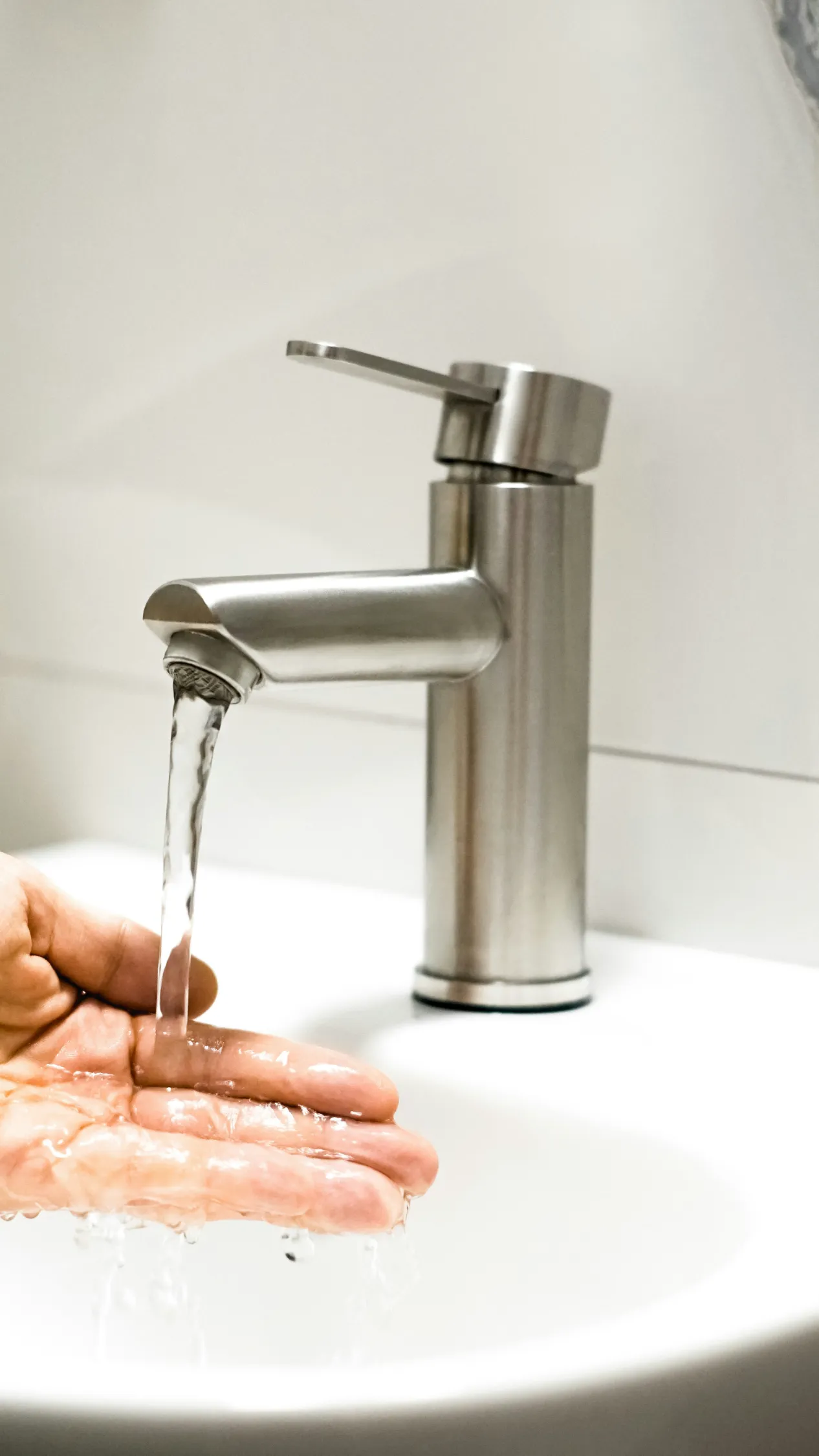
The symptoms of a failing well system rarely happen overnight; they typically manifest as a progressive, frustrating decline in performance. Initially, you might notice that you can no longer run two plumbing fixtures simultaneously. If the washing machine is filling, the kitchen sink drops to an unusable trickle. Eventually, the water pressure throughout the entire home becomes agonizingly weak, completely stripping the comfort from high-end, multi-head showers and causing your dishwasher to time out and display error codes.
Sputtering & Air Bursts
Faucets spitting bursts of air mixed with sediment, cloudy water, or rust-colored debris indicating air ingestion or subterranean static water table drops.
Rapid Basement "Clicking"
Standing near your basement utility area and hearing the pressure switch click repeatedly every few seconds is a terminal symptom of Well Pump Cycling On and Off.
If left undiagnosed, this rapid cycling will exert massive electrical and physical torque on your submersible pump, causing the motor to violently burn out and resulting in a sudden, catastrophic loss of all water to the home.
Don't Live with Low Pressure. Call South Mass Water Wells at (508) 715-9909.
Get immediate 24/7 diagnostic support from certified Massachusetts well pump and hydrogeology technicians.
The Hydrogeological & Mechanical Cause: Aquifer Depletion vs. Equipment Failure
When a homeowner calls us desperately asking, "Why is My Well Water Pressure Low?" our diagnostic process immediately splits into two distinct investigative pathways: is the earth failing to provide the water, or is the mechanical equipment failing to deliver it?
Hydrogeological Cause: Inland Aquifer Depletion and Drought
If you reside in the inland, bedrock-dominated communities of Bristol County—such as Taunton, Raynham, Berkley, Dighton, or Middleborough—the cause of your low pressure is frequently hydrogeological, particularly during the hot summer months.
Bedrock wells do not tap into massive underground lakes. They rely entirely on intersecting microscopic secondary fractures within solid crystalline granite and shale. These fractures possess very low "storativity," meaning they hold a very small volume of water and rely entirely on constant rainwater recharge from the surface. During a severe New England summer drought, this surface recharge stops. Consequently, the localized static water level inside your well casing plummets.
If the static water level drops down to or below the pump intake screen, the pump pulls a mixture of water and air (cavitation), creating sputtering faucets and sediment infusion.
Mechanical Cause: Water Tank Bladder Failure and Broken Check Valves
If you reside in the coastal outwash plains of Plymouth, Barnstable, Hyannis, Falmouth, Sandwich, or Mashpee, your well is tapped into a massive, highly permeable sand and gravel aquifer. These coastal systems rarely run dry. If you are experiencing low pressure here, the cause is almost certainly mechanical.
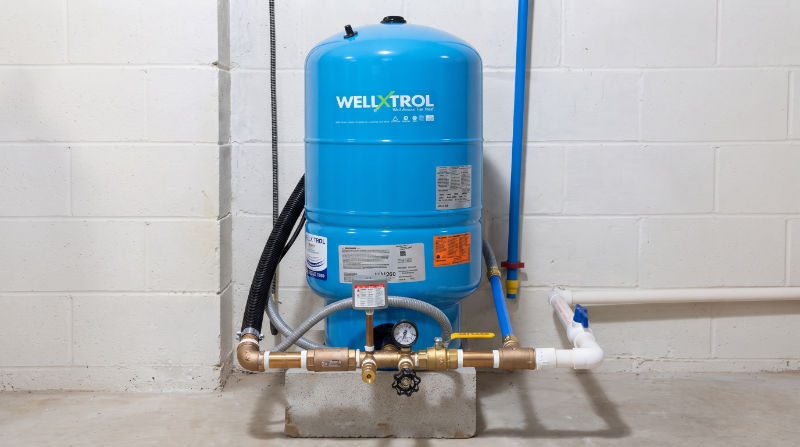
Over years of expansion, the rubber bladder inside your hydropneumatic tank tears. Compressed air escapes, rendering the tank "waterlogged." Without an air cushion, opening any faucet drops pressure to zero instantly, forcing the well pump to rapidly cycle.
If check valves fail due to sand or corrosion, the water column falls backward down the casing when the pump stops. Turning on a tap causes a long delay and pressure drop as the pump repushes water back up from hundreds of feet deep.
The Engineered Solution: Elite Troubleshooting and System Restoration
At South Mass Water Wells, we do not guess; we deploy advanced hydrogeological and electro-mechanical diagnostics to pinpoint the exact failure point of your water system.
Our 3-Step Pressure Restoration Protocol
We map static water levels with sonic meters. If aquifer depletion is found in Taunton or Dighton, we lower the pump deeper or execute hydrofracking.
Multimeter tests evaluate motor winding health, checking if rapid cycling caused thermal degradation or capacitor overload.
We replace waterlogged tanks with heavy-duty diaphragm tanks, or upgrade to VFD Constant Pressure systems locked at 65 PSI.
For high-end homes experiencing chronic pressure issues, we frequently upgrade the archaic pressure switch system entirely, installing an advanced Variable Frequency Drive (VFD). A VFD constant pressure system utilizes microprocessors to monitor your water demand in real-time, smoothly ramping the pump's RPMs up and down to deliver municipal-like, unwavering pressure—whether you have one faucet open or a massive irrigation system running.
Elite Trust Signals: MassDEP Compliance, Transparent Pricing, and 24/7 Reliability
Tinkering with a private water system is not a weekend DIY project; it involves high-voltage electricity, immense hydraulic pressure, and strict environmental regulations. As your trusted local hydrogeologists, South Mass Water Wells operates with an exhaustive, working knowledge of MassDEP well construction guidelines and Massachusetts Title 5 environmental laws.
Sanitary Wellhead Preservation
When we open your wellhead to diagnose check valves or inspect a pitless adapter, we guarantee that the sanitary seal is meticulously restored. A compromised well cap can allow insects, vermin, and biological pathogens from nearby septic systems to cascade down into the deep aquifer, turning a simple pressure problem into a severe health hazard.
24/7 Response & Itemized Estimates
We understand the sheer panic of losing your home's water supply. That is why South Mass Water Wells offers unwavering 24/7 availability. Following our rigorous diagnostic assessment, we provide a crystal-clear, fully itemized estimate outlining the exact cause of your low pressure and the exact cost of the engineered solution.
Low Well Water Pressure FAQs
Serving All Southeastern MA & Cape Cod Communities
Don't Live with Low Pressure. Call South Mass Water Wells at (508) 715-9909.
Diagnose water tank bladder failures, fix rapid pump cycling on and off, and eliminate drought-induced pressure drops with Southeastern Massachusetts' premier hydrogeology team.